
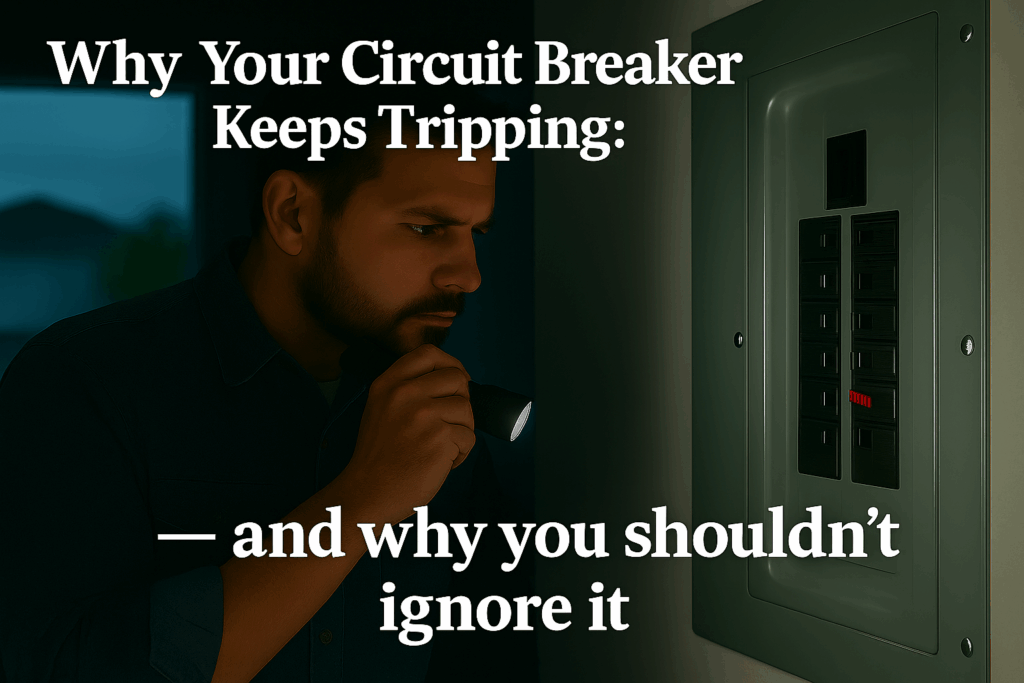
Why Your Circuit Breaker Keeps Tripping: The Warning Signs Halifax Homeowners Can’t Afford to Ignore
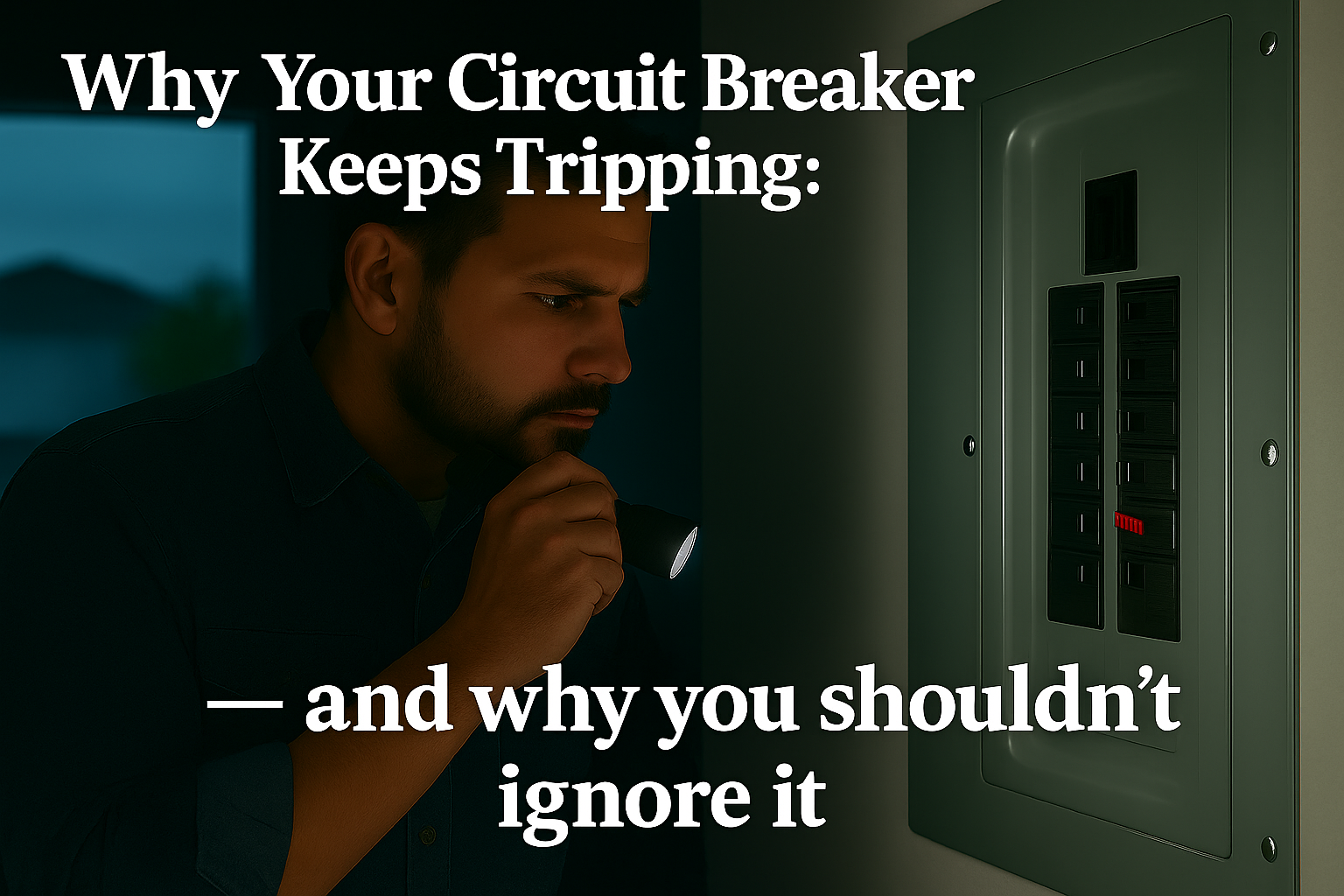
Marcus Thompson was grilling in his Dartmouth backyard when it happened again—the familiar click of his kitchen breaker tripping for the third time that week. “Just the microwave and coffee maker,” he muttered, trudging to the basement to flip the switch back on. Two weeks later, that same overloaded circuit sparked a small kitchen fire that cost him $8,200 in repairs and could have been much worse.
Marcus’s story isn’t unique. Recent Halifax Regional Fire and Emergency investigations found that electronic devices were the ignition source in two fatal house fires earlier this year, with neither home having working smoke alarms. Meanwhile, electrical failures account for approximately 10% of residential fire deaths in Canada.
Your breaker isn’t just being difficult—it’s desperately trying to protect your family from becoming another statistic.
The Warning System Most Halifax Homeowners Misunderstand
Your circuit breaker acts like a vigilant security guard, constantly monitoring electrical current flowing through your home’s circuits. When it detects danger—whether from an overload, short circuit, or ground fault—it immediately cuts power to prevent fires, electrocution, and property damage.
Yet many Halifax homeowners treat tripping breakers like a minor inconvenience, repeatedly resetting them without addressing the underlying cause. This dangerous habit contributes to preventable electrical fires across Nova Scotia.


Halifax’s Unique Electrical Environment
Living in Halifax creates unique electrical challenges. That beautiful harbor view comes with salt air that accelerates corrosion of electrical components. Combined with many homes built before modern electrical codes, this creates conditions where electrical problems develop more frequently than in inland locations.
Halifax Fire Chief Matt Covey emphasizes that firefighters are “very concerned any time there are unattended electrical devices that are running power through them.”
The Top 10 Reasons Your Halifax Breaker Keeps Tripping
- Circuit Overload: The Silent Household Epidemic
When you plug multiple high-wattage appliances into the same 15-amp kitchen circuit, you can easily exceed safe limits. For example, a space heater (12-15 amps) + microwave (8-13 amps) + coffee maker (5-13 amps)* could draw 25+ amps—167% more than a 15-amp circuit can safely handle.
*Actual amperage varies by appliance model and usage The Canadian Electrical Code requires that calculated loads cannot exceed circuit ratings.
What to do: Redistribute electrical loads across different circuits. Never use extension cords as permanent solutions.


- Short Circuits: When Electricity Takes a Dangerous Shortcut
Short circuits occur when hot wires contact neutral wires, creating extremely low resistance paths. This allows massive current flow that can instantly heat wires to dangerous temperatures.
What to do: Look for burn marks, unusual odors, or sparks near outlets. If suspected, turn off the breaker immediately and call a professional.
- Ground Fault Issues: Your GFCI’s Protective Response
Ground faults happen when electricity finds unintended paths to ground, often through water or damaged equipment. In Halifax’s humid climate, this is particularly common in bathrooms, kitchens, and basements.
What to do: Test GFCI outlets monthly. If they trip frequently, have the circuit professionally inspected.
- Arc Faults: The Hidden Fire Starter
Loose electrical connections create dangerous arcs reaching temperatures over 6,000°F. While Canadian statistics aren’t readily available, arc faults cause more than 28,000 home fires annually in the United States.
What to do: Listen for buzzing, crackling, or sizzling sounds from outlets or panels. Schedule immediate professional inspection if AFCIs trip repeatedly.
- Aging Breakers: When Your Protector Needs Protection
Circuit breakers typically last 15-20 years under normal conditions, though they can become hypersensitive or fail to trip when needed as they age. Signs include frequent tripping despite normal loads or breakers that feel warm to the touch.
[IMAGE 3: Before/after comparison – old vs new circuit breakers] Alt text: “old circuit breaker replacement Halifax electrician” Caption: “Old breakers (left) vs. modern safety breakers (right) – notice the difference”
What to do: Have aging breakers professionally evaluated and replaced as needed.
- Corroded Connections: Halifax’s Coastal Challenge
Salt air accelerates corrosion of electrical connections throughout Halifax homes, creating resistance that generates dangerous heat.
What to do: Schedule annual electrical inspections to identify and address corrosion before it becomes dangerous.
- Damaged Appliances: When Your Equipment Betrays You
Faulty appliances can draw excessive current or create internal short circuits. Recent Halifax fires were caused by damaged power cords and overheated charging devices left unattended.
What to do: Unplug appliances systematically to identify culprits. Have questionable appliances professionally inspected.
- Extension Cord Overuse: The Temporary Solution That Became Permanent
Extension cords should be temporary solutions, never permanent wiring replacements, especially with high-wattage appliances like space heaters.
What to do: Add proper outlets where needed. Never daisy-chain multiple extension cords
- Water Intrusion: Halifax’s Year-Round Electrical Threat
From winter ice dams to spring flooding, Halifax homes face constant moisture challenges that create immediate shock and fire hazards.
What to do: Address water leaks immediately. Ensure all wet-location outlets have proper GFCI protection.
- Undersized Electrical Panels: When Demand Exceeds Supply
Many Halifax homes built before 1980 have 100-amp panels that can’t handle modern electrical demands. Multiple simultaneous trips often indicate panel overload.
What to do: Consider upgrading to 200-amp service to safely handle modern electrical loads.


Recognizing Dangerous Warning Signs
- Burning odors from outlets, switches, or electrical panels
- Sparks or arcing when operating switches or plugging in devices
- Warm or hot outlets, switch plates, or breaker panels
- Frequent breaker trips despite reducing electrical loads
- Lights dimming when large appliances start
- Buzzing or crackling sounds from electrical components
Safe Breaker Reset: Step-by-Step Guide
When a breaker trips:
- Turn off or unplug all devices on the affected circuit
- Locate the tripped breaker (handle in middle position or visibly “off”)
- Push firmly to “off” position first
- Then push firmly to “on” until you hear a solid click
- Test the circuit with one light or device
- Monitor for immediate re-tripping
Critical warning: If the breaker trips immediately upon reset or won’t stay “on,” stop and call a licensed electrician immediately.


When Professional Help Isn’t Optional
Canadian Electrical Code requirements mandate professional electrical work to ensure safety and code compliance.
Contact DLL Renovations when you experience:
- Breakers that trip immediately after reset
- Multiple circuits failing simultaneously
- Any signs of burning, sparking, or unusual electrical odors
- Frequent tripping despite normal electrical loads
- Uncertainty about electrical safety procedures
Our Halifax-based team understands local electrical challenges, from coastal corrosion to aging infrastructure. We provide comprehensive services meeting current Canadian Electrical Code standards.
Prevention: Your First Line of Defense
Load Management: Distribute high-wattage appliances across multiple circuits rather than overloading single outlets.
Annual Inspections: Schedule yearly electrical inspections to identify problems before they cause safety hazards.
Appliance Maintenance: Keep appliances properly maintained and replace aging units developing internal faults.
GFCI Testing: Test all GFCI outlets monthly and ensure proper installation per electrical codes.
Professional Upgrades: Have older electrical systems evaluated for upgrades to meet modern safety standards.
Customer Success Story
“Our kitchen breaker had been tripping constantly for weeks. I kept resetting it, thinking it would eventually stop. DLL Renovations found a corroded connection behind our refrigerator that was creating dangerous arcing. They fixed it the same day and probably prevented a house fire. I won’t ignore electrical problems again.” – Jennifer K., Bedford
Don’t Wait for Disaster
Marcus Thompson learned that frequently tripping breakers aren’t just inconveniences—they’re urgent safety warnings. His $8,200 kitchen fire could have been prevented with professional electrical diagnosis.
Your breaker trips are your electrical system’s way of protecting your family. When they happen repeatedly, professional diagnosis isn’t just smart—it’s essential for safety.
Ready to solve your electrical problems safely and permanently? Call DLL Renovation 902-346-2008 or Click here to request a comprehensive electrical assessment. Our licensed electricians provide detailed quotes within 48 hours and back our work with solid warranties.
Have electrical emergency questions? Our experts provide immediate guidance and emergency electrical services when you need them most. Don’t let electrical problems put your Halifax home at risk.

Coming Soon from DLL Renovations:
- Renovating in Halifax? 7 Electrical Upgrades You Shouldn’t Skip (July 2025)
- How to Spot Outdated Wiring in Older Nova Scotia Homes (July 2025)
Previous Articles from DLL Renovations:
- 5 Warning Signs Your Halifax Home Has Electrical Problems
- Summer Storms and Electrical Safety: Protecting Your Home from Lightning and Power Surges
Sources: